Sunday, 12 June 2011

Mesothelioma Prognosis, Compensation, Attorneys, Asbestos, Pleural, Settlement, Treatment, Diagnosis, Lung Cancer, Symptoms, Lawyers, Malignant, Life Expectancy, Peritoneal


Diagnosis Of Mesothelioma


The diagnosis of mesothelioma will entail scans and biopsies arranged by your doctor. A CT or MRI scan is often used to detect the possible presence of the disease, and if there is a positive indication of the presence of mesothelioma, the scans are followed up by a biopsy. Doctors often run an examination on the fluid surrounding the lungs, but all too often this is inadequate to make a firm diagnosis. In these circumstances the doctor may perform a small operation in order to remove a tissue sample and run a biopsy on that. This is known as open pleural biopsy. If you are suspected of suffering from peritoneal mesothelioma the biopsy will be performed on tissue taken from the abdominal area, known as a peritoneal biopsy.

Mesothelioma Biopsy
Mesothelioma Biopsy

Although the open biopsy procedures are considered to be the most effective and conclusive ways of diagnosing mesothelioma according to experts, there are a range of other procedures that doctors may use in order to try and determine whether a patient has the disease.

MRI Scan
MRI Scan


X-Ray

X-Ray

CT- Scan
CT- Scan


The testing procedure will start with imaging tests, such as x-rays, CT scans or MRI scans. This will enable the doctor to view the potentially affected area and make a preliminary diagnosis and decide upon the best course of action. The doctor may then use a needle to remove fluid from the affected area and conduct tests to see whether there are any malignant cells present. However, this test is widely thought of as inconclusive and many doctors prefer to follow it up with a tissue biopsy whether or not malignant cells are present.
Biopsy
Biopsy

There are several ways in which the doctor can perform a tissue biopsy in order to test for mesothelioma. A thoracoscopy or laparoscopy entails making a small incision and using a tiny camera to look at the affected area. At this time a small tissue sample can be taken, which is then examined by a pathologist for signs of mesothelioma. Your doctor may decide to do a needle biopsy, where a hollow needle is inserted through the skin and into the chest cavity. The doctor is able to collect a tissue sample with the needle, and this is then examined by the pathologist.

Pathology
Pathology

However, most physicians prefer to use an open biopsy as this allows for the collection of a bigger tissue sample making diagnosis easier and more accurate. Once the tissue samples have been collected, a detailed examination of the cells is performed to check for malignant cells in the tissue. Once a diagnosis has been made, further scans may be required to learn the extent of the disease and prescribe treatment.
Treatment & Diagnosis Process

Treatment & Diagnosis Process

If you have worked with or had contact with asbestos at any time in your life, it is important that you let your doctor know. The difficulty in diagnosing mesothelioma means that you doctor may put your symptoms down to any number of diseases before testing for mesothelioma. However, if you have already made it known that you have worked with asbestos, it will give the doctor a head start in making a diagnosis. This means that test can be carried out far earlier and the necessary treatment can be prescribed.

Mesothelioma Doctor Explains Symptoms, Diagnosis & Treatment

Mesothelioma Doctor Explains Symptoms, Diagnosis & Treatment


Mesothelioma Prognosis, Compensation, Attorneys, Asbestos, Pleural, Settlement, Treatment, Diagnosis, Lung Cancer, Symptoms, Lawyers, Malignant, Life Expectancy, Peritoneal

Mesothelioma Prognosis, Compensation, Attorneys, Asbestos, Pleural, Settlement, Treatment, Diagnosis, Lung Cancer, Symptoms, Lawyers, Malignant, Life Expectancy, Peritoneal

Malignant-Pleural-Mesothelioma


Lung-Pleural-Mesothelioma

What is Mesothelioma


The mesothelium is a membrane that forms the lining of several body cavities: the pleura (thoracic cavity), peritoneum (abdominal cavity including the mesentery) and pericardium (heart sac). Mesothelial tissue also surrounds the male internal reproductive organs (the tunica vaginalis testis) and covers the internal reproductive organs of women (the tunica serosa uteri). Mesothelium that covers the internal organs is called visceral mesothelium, while the layer that covers the body walls is called the parietal mesothelioma.It is a form of simple squamous epithelium.


Mesothelioma Prognosis, Compensation, Attorneys, Asbestos, Pleural, Settlement, Treatment, Diagnosis, Lung Cancer, Symptoms, Lawyers, Malignant, Life Expectancy, Peritoneal


Nausea or vomiting
Inexplicable weight loss
Sweating or fever
Swelling or pain in the abdomen
Ascites (fluid buildup between the peritoneum and the abdominal organs)
Anemia
Fatigue
Diarrhea, constipation or any other inexplicable changes in the bowels
Development of lumps under the skin on the abdomen


The long latency period attached to mesothelioma means that the symptoms of this disease can take many years to manifest, making both diagnosis and effective treatment very difficult. And even when the symptoms do become evident, which can take several decades, the symptoms are so generalised and non-specific that they could be put down to any number of more common diseases. This makes it hard for even experienced doctors to make a quick and conclusive diagnosis with mesothelioma patients. The symptoms of this disease can often be confused with pneumonia during its early stages.

Mesothelioma Symptoms


Some of the most common symptoms of pleural mesothelioma (which is the most common form of the disease) are shortness of breath and chest pains. This may be accompanied by a persistent cough, and all of these symptoms stem from the build up of fluid between the lining of the lung and the chest cavity. This is known as pleural effusion. This type of the disease starts in the chest cavity and can then spread to other parts of the body. Pleural mesothelioma sufferers may also begin to display severe breathing difficulty, weight loss and fever as well as trouble swallowing and even swelling of the face and neck. Some patients may also develop a rasping voice and start coughing up blood. However, there are other patients that may not show any significant symptoms at all.

Mesothelioma Symptoms

The symptoms for patients who suffer from peritoneal mesothelioma (a rarer form of the disease) are slightly different. This type of the disease starts in the abdomen and can spread form there. Patients of peritoneal mesothelioma can display abdominal pain and swelling, nausea, loss of appetite and vomiting. They can also suffer breathing problems, and chest pain in addition to these symptoms. These symptoms result from tumours that lean against the abdominal wall. Bowel obstruction, anaemia, fever and problems with blood clotting may also affect peritoneal mesothelioma patients.
Mesothelioma Symptoms

The rarest form of this disease is pericardial mesothelioma, which starts in the cavity surrounding the heart. With pericardial mesothelioma, the tumours grow in the tissues that surround the heart and can spread from there. Pericardial mesothelioma sufferers may experience chest pain, shortness of breath, persistent coughing and palpitations.

Mesothelioma Symptoms

As the disease moves into the later stages, the symptoms for all types of mesothelioma become more acute and obvious, although they can still often be put down to another illness. It is therefore important for patients to inform their doctor if they have been exposed to asbestos at any point – or even if they suspect they may have been exposed to asbestos. This will enable the doctor to make a more informed diagnosis rather than basing his diagnosis on guess work. It is also important not to ignore any of these symptoms, especially if they are experienced over a long period. Many people can be exposed to asbestos inadvertently (e.g. through the clothes of someone that has worked with asbestos) so it is important to visit your doctor should any of these symptoms manifest.
Mesothelioma Symptoms


With pleural mesothelioma being the most common form of the disease, the symptom associated with this form of the cancer are the most common ones that are displayed by patients. However, it is important to be fully aware of the symptoms for all three types of mesothelioma, particularly for those who have worked in high risk professions where they may have been exposed to asbestos.

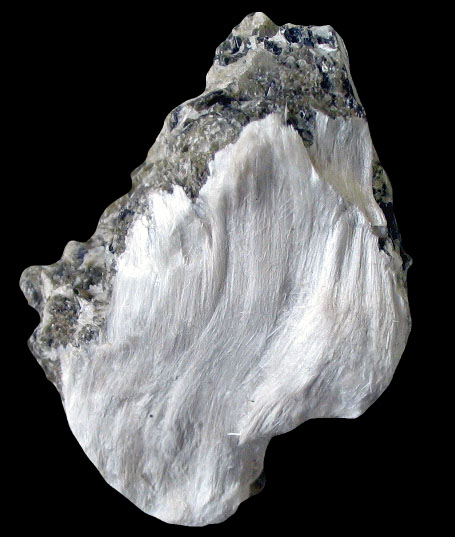
Asbestos With Muscovite

Asbestos2USGOV
Asbestos2USGOV

Asbestos3USGOV 
Asbestos3USGOV 

Most people who have worked with asbestos in the past do not begin to show symptoms of mesothelioma until thirty to forty years later. By this time, the disease is already spreading and with the delay in diagnosis, makes it impossible to treat in many cases before it is too late. However, the cause, effects and symptoms of mesothelioma are now becoming more widely known by professionals and lay people. This awareness, coupled with the current clinical trials that are being carried out by a variety of organizations gives patients the hope that an effective treatment will one day be available for all stages of the disease.


Mesothelioma Symptoms

Mesothelioma Symptoms


Wife Talk to Husband

Thousands dead of Asbestos from W.R.

Thousands dead of Asbestos from W.R.


Abdomen Swelling

Abdomen Swelling